
Published
Ad-hoc accessibility testing isn’t enough
If you’re using tools like Lighthouse, axe DevTools, and WAVE to run accessibility tests, you probably aren’t doing enough to prevent accessibility regressions and ensure your website is compliant. When I say “ad-hoc” testing, I’m talking about having somebody manually start a round of testing. Relying on somebody to run the tests introduces many opportunities for issues to slip through the cracks. Pages change, new components ship, and regressions go unnoticed until someone spots them in production — or worse, after a complaint.
Accessibility isn’t static
Modern websites are living systems: code is deployed daily, content is updated constantly, and design systems evolve over time. Accessibility has to move at the same pace. A one-off test today says nothing about tomorrow’s build. Without continuous, automated coverage, you’re essentially blind to changes that reintroduce issues you’ve already fixed.
What’s needed is tooling that runs automatically, in the background, continuously checking for accessibility issues. More importantly, that tooling needs to notify you when it finds new issues or regressions.
Continuous testing and accountability
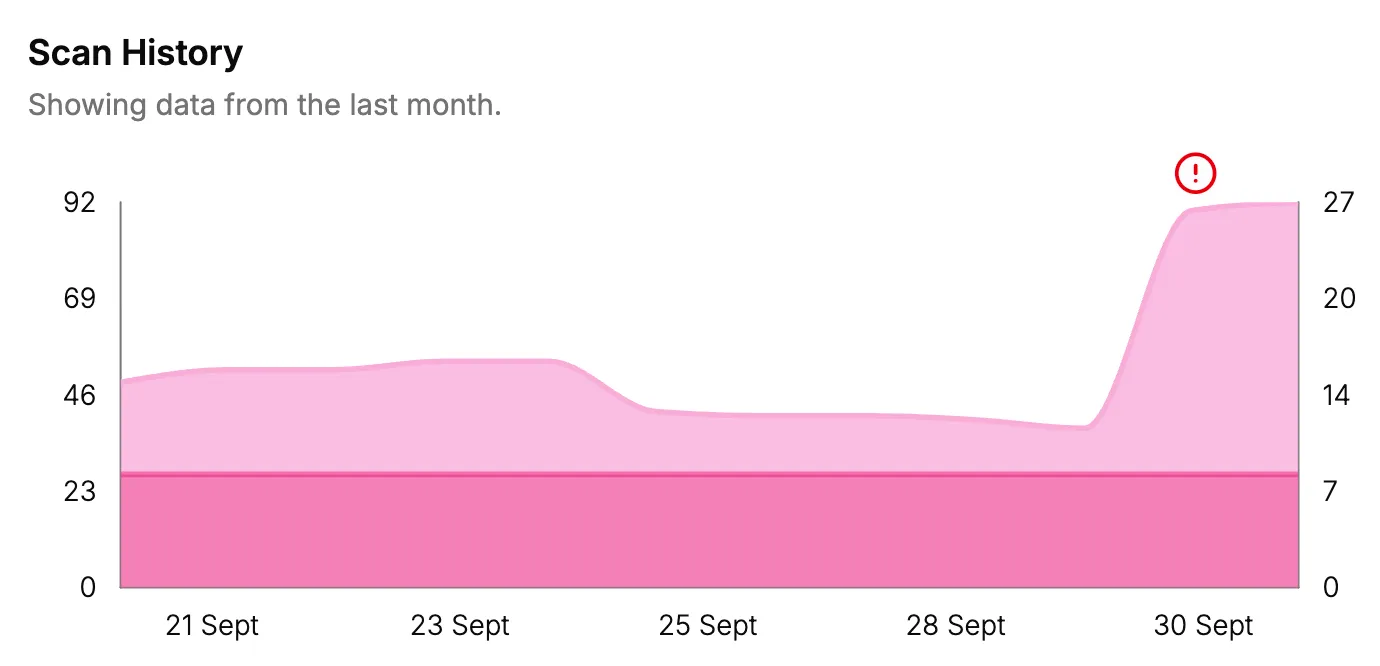
Scheduled testing provides a safety net. By automating scans across your site and tracking results over time, teams can see exactly when and where regressions occur. Historical data reveals trends and creates accountability across engineering, design, and content teams.
Building confidence in accessibility
When accessibility testing is automated, it becomes reliable, repeatable, and data-driven. Developers can focus on fixes, not manual audits. Designers and managers can see progress over time. And your organisation gains confidence that it’s meeting accessibility obligations — not just occasionally, but continuously.
There are many automated accessibility tools available; each with different strengths, integrations, and price points. The important step is moving beyond ad-hoc checks and making accessibility testing part of your regular workflow. Whether it’s a feature-rich product like Accessibility Checker, a self-hosted solution like Pa11y, or an affordable product like A11y Pulse, higher adoption of continuous accessibility checking improves the web for everybody.
If you're not already an A11y Pulse user, sign up for a free trial and see how easy it is to bring continuous accessibility testing into your team's workflow.
Questions? We would love to hear from you. Drop us a line at [email protected].